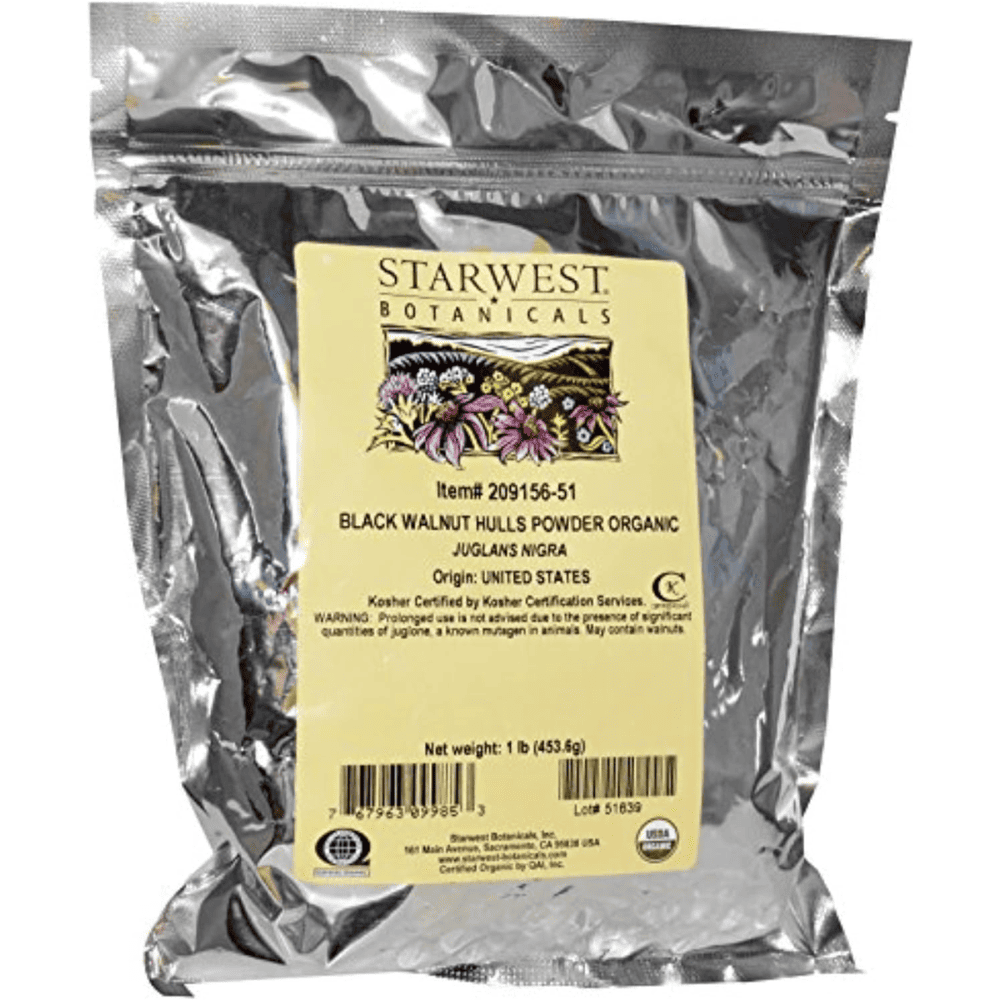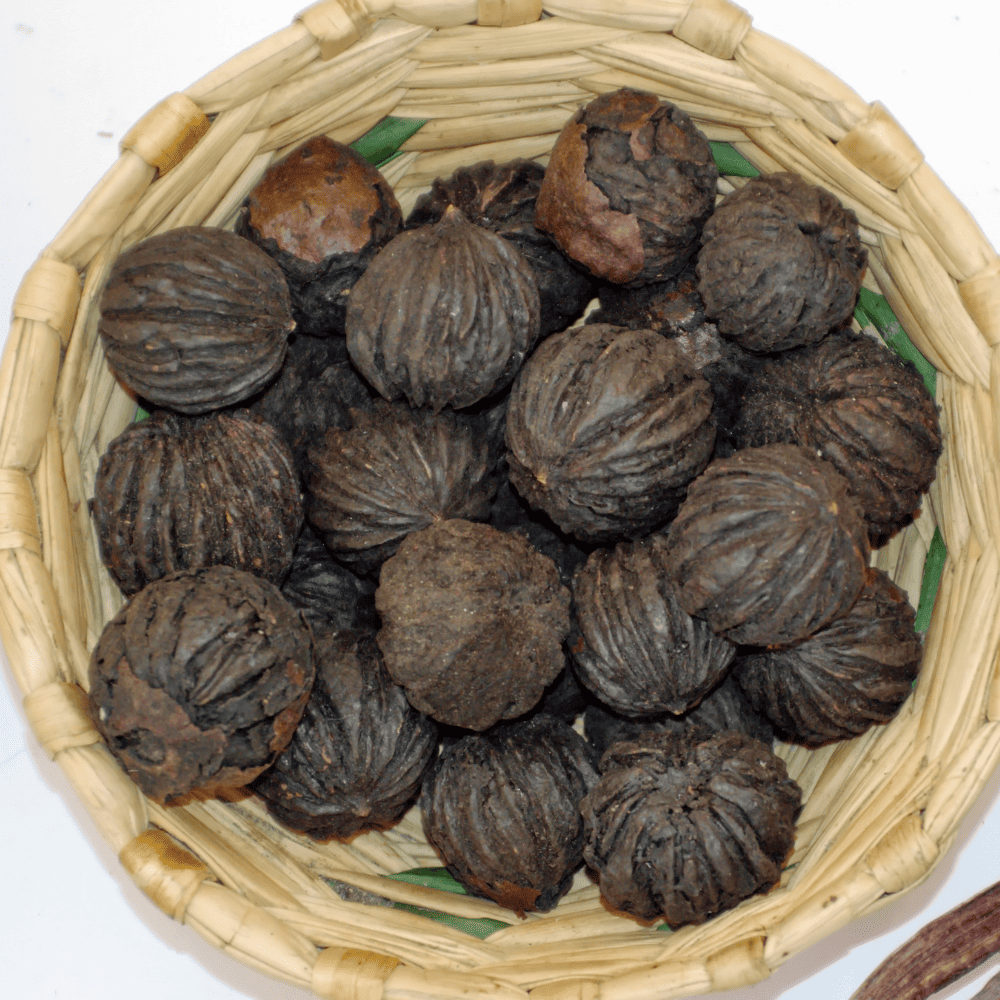
Benefits: Black walnut is celebrated for its potent antiparasitic properties, making it a powerful natural remedy for cleansing the body of various parasites, particularly tapeworms, ringworms, and other intestinal worms. The hulls of black walnut are rich in tannins, which have astringent properties that help to expel parasites from the digestive tract. Additionally, black walnut supports the detoxification of the liver and blood, promoting overall health. Its use extends to improving digestion, combating fungal infections, and reducing inflammation. Black walnut is also known for its ability to balance blood sugar levels and support a healthy gut microbiome, which further contributes to its antiparasitic efficacy.
History: Black walnut has a long and respected history in herbal medicine, particularly among Native American tribes, who used it as a remedy for a wide range of ailments. The indigenous peoples of North America recognized black walnut for its healing properties, utilizing it to treat parasitic infections, skin conditions, and digestive issues. The tree itself, native to the eastern United States, was considered sacred, and its nuts, bark, and leaves were used in various medicinal preparations. The hulls, in particular, were prized for their ability to treat intestinal worms and other parasitic infections. Over time, black walnut became a staple in traditional herbal medicine, not only in North America but also in Europe, where it was used in similar applications.
Parasites Helped: Black walnut is especially effective against a variety of intestinal parasites, including tapeworms, ringworms, and pinworms. Its efficacy is due to the active compounds found in the walnut hulls, which help to expel these parasites from the body. Black walnut is also used to combat other parasitic infections, such as giardia and amoebas, which can cause significant digestive distress. Additionally, its antifungal properties make it a valuable remedy against fungal infections, including those caused by Candida albicans, which can often accompany parasitic infections.
Part of: Herbs & Botanicals