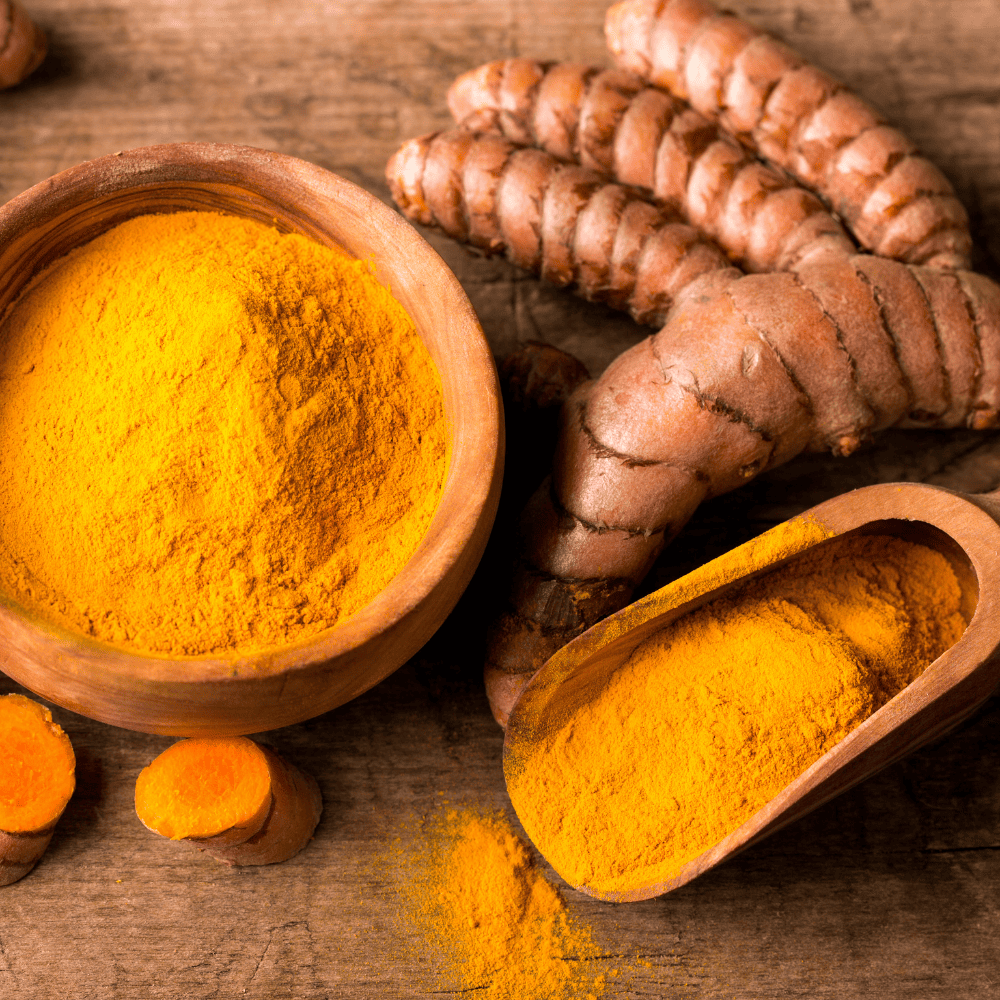
Benefits: Turmeric is a golden-coloured spice whose primary active compound, curcumin, possesses impressive antiparasitic, anti-inflammatory, and antioxidant properties. Curcumin disrupts the metabolic pathways of certain parasites, impairs their ability to reproduce, and supports the liver's detoxification processes that are critical during a cleanse. Turmeric also fortifies the intestinal lining that parasites damage during infection, helping to restore gut integrity and reduce permeability. Its powerful anti-inflammatory action addresses the systemic inflammation that long-standing parasitic infections often cause, while its antioxidant properties protect cells from oxidative damage generated by both the parasites and the cleansing process itself. Turmeric additionally enhances bile production, which improves fat digestion and helps flush parasites through the digestive tract.
History: Turmeric has been cultivated in South and Southeast Asia for at least 4,000 years. In Ayurvedic medicine, turmeric — called haridra — is one of the most important medicinal plants, used to treat digestive disorders, liver conditions, skin diseases, and parasitic infections. Ancient Sanskrit medical texts describe turmeric as a remedy for intestinal worms and as a general tonic to purify the blood and support digestion. Traditional Chinese medicine incorporated turmeric to move stagnant qi, support liver function, and treat abdominal pain associated with intestinal parasites. Arab traders brought turmeric to medieval Europe, where it was used as an affordable substitute for saffron and recognised for its healing properties. Today, curcumin — the compound responsible for turmeric's vivid colour — is one of the most studied phytochemicals in the world, with growing evidence supporting its role in fighting parasites, reducing inflammation, and protecting the gut.
Parasites Helped: Turmeric and its active compound curcumin have shown effectiveness against several parasites in laboratory and animal studies, including Plasmodium species (malaria), Giardia lamblia, Leishmania, and certain intestinal helminths (worms). Curcumin is believed to interfere with the enzyme systems that parasites rely on for energy production and replication. While turmeric is most often used as a supportive element in a broader cleanse protocol, its combination of anti-inflammatory and antiparasitic effects makes it particularly valuable for managing the symptoms of infection and supporting recovery of the intestinal lining after parasites are expelled.
Part of: Anti-Parasitic Foods