Intestinal parasites are more common than most people realize. According to the World Health Organization, billions of people worldwide are affected by parasitic infections, with many cases going undetected because symptoms are mild, non-specific, or easily confused with other digestive conditions. Symptoms like chronic fatigue, bloating, irregular bowel movements, skin problems, and brain fog can all have parasitic origins.
For those who want to support their gut health and reduce their parasitic burden naturally, there is a wealth of traditional and increasingly science-backed options available. In this guide, we'll walk through ten of the most effective natural remedies for parasite infections, explaining how each one works, how to use it, and what to realistically expect. We'll also cover how to combine them intelligently and when to consult a doctor instead of going it alone.
Remedy 1: Black Walnut Hull
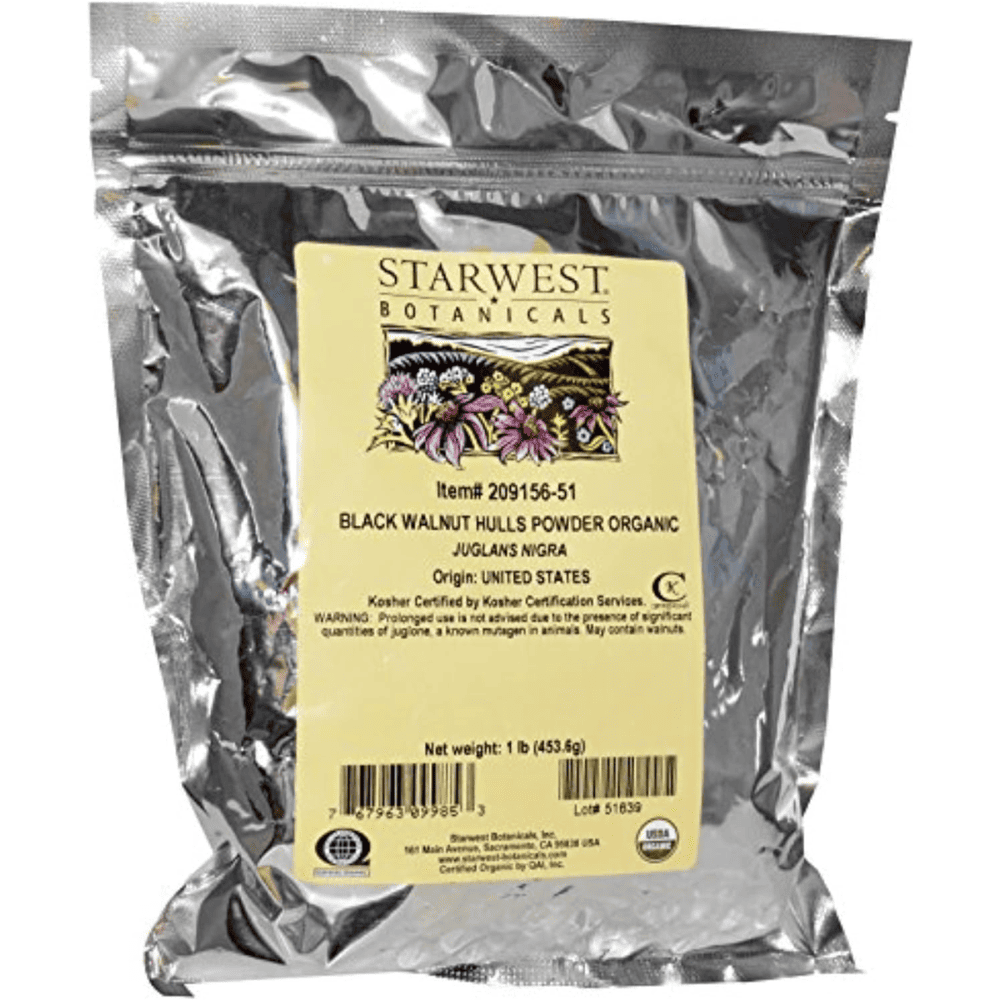
Black walnut hull is the dried outer shell of the black walnut (Juglans nigra) and is one of the foundational herbs in any serious parasite cleanse protocol. Its primary active compound, juglone, is a potent naphthoquinone that is toxic to many parasites, including intestinal worms, bacteria, and fungi. The hull is also rich in tannins, astringent compounds that tighten the gut lining and create an environment where parasites cannot comfortably attach or thrive.
Traditional use of black walnut for parasites dates back centuries in North American folk medicine, and modern practitioners frequently recommend it for tapeworms, roundworms, pinworms, and other intestinal worms. It is best used alongside wormwood and clove for a comprehensive full-lifecycle approach.
How to use: Tincture, capsule (500-1,000 mg/day), or tea. Cycle on for 2-3 weeks, then off for 1 week. Learn more about black walnut hull.
Remedy 2: Wormwood
Wormwood (Artemisia absinthium) has been used medicinally for thousands of years and is named for its traditional role in treating intestinal worms. Its bitter sesquiterpene lactone compounds -- particularly absinthin -- attack the outer membranes of parasites and disrupt their ability to generate energy and reproduce.
Beyond its direct action against parasites, wormwood stimulates bile flow and digestive secretions, improving the gut environment overall and supporting the body's ability to expel dead parasites. Research on related species (Artemisia annua) has demonstrated significant antiparasitic activity against Plasmodium, Giardia, and other organisms.
How to use: Tincture, capsules (200-500 mg/day), or tea. Do not use continuously for more than 4 weeks. Avoid during pregnancy. Learn more about wormwood.
Remedy 3: Clove
Clove's primary active compound, eugenol, is one of the most well-studied natural antimicrobials and is especially valued in parasite protocols for its ability to destroy parasite eggs. While black walnut and wormwood target adult parasites, clove prevents the next generation from hatching and restarting the cycle. This makes it an indispensable part of any complete cleanse protocol.
Eugenol also provides broad-spectrum antibacterial and antifungal activity, reducing the burden of secondary infections that often accompany heavy parasitic loads. Additionally, clove is a warming digestive herb that helps stimulate bile production and supports the liver's detoxification role during a cleanse.
How to use: Ground clove added to food, clove oil capsules, or tincture. Use alongside black walnut and wormwood for maximum coverage of all parasite life stages. Learn more about clove.
Remedy 4: Garlic
Garlic is perhaps the most accessible and versatile anti-parasitic food in existence. When crushed or chopped, garlic produces allicin, a sulfur compound with broad-spectrum antimicrobial activity that has been documented in studies against Giardia lamblia, Entamoeba histolytica, Toxoplasma gondii, and various intestinal worm species.
Beyond its direct antiparasitic activity, garlic is a powerful immune modulator. It increases the activity of natural killer cells and macrophages -- the immune system's front-line defenders -- making the body better equipped to fight off parasitic infections and prevent them from becoming established in the first place.
How to use: Two to four raw, crushed cloves daily; or aged garlic extract supplements. Let crushed garlic sit for 10 minutes before eating to maximize allicin formation. Learn more about garlic.
Remedy 5: Oregano Oil
Oil of oregano -- specifically from Origanum vulgare grown in Mediterranean climates -- contains extraordinarily high levels of carvacrol, a phenolic compound that has been shown in laboratory studies to have potent activity against Giardia, Blastocystis hominis, and other intestinal parasites. Thymol, the secondary active compound, enhances these effects and also supports healthy gut motility.
Oregano oil is also an effective antifungal, making it particularly useful when parasite infections occur alongside Candida overgrowth (a common pattern). It is one of the more versatile anti-parasitic supplements available and can be used at a lower intensity as a longer-term maintenance option.
How to use: Enteric-coated capsules (look for standardized carvacrol content of at least 70%) or 1-2 drops in water. Take with food. Learn more about oregano oil.
Remedy 6: Papaya Seeds
The small, peppery black seeds found inside a papaya are often thrown away, but research suggests they may be one of the most effective food-based anti-parasitic tools available. Papaya seeds contain benzyl isothiocyanate and the enzyme papain, both of which appear to disrupt parasite biology -- papain by breaking down the proteins that form parasites' outer structures, and benzyl isothiocyanate by being directly toxic to several helminth (worm) species.
A 2007 study published in the Journal of Medicinal Food found that a preparation of dried papaya seeds and honey cleared intestinal parasites in over 75% of Nigerian children in the trial, with no significant adverse effects.
How to use: One teaspoon of fresh or dried papaya seeds, chewed thoroughly or blended into a smoothie. Mix with raw honey for palatability. Use for 7-10 days at a time. Learn more about papaya seeds.
Remedy 7: Pumpkin Seeds
Pumpkin seeds have a long traditional history as a remedy for intestinal worms, and modern research has supported the plausibility of this use. The seeds contain an amino acid called cucurbitacin, which appears to have paralytic effects on certain intestinal worms, particularly tapeworms and roundworms. When the worms are paralyzed, they lose their grip on the intestinal wall and are much more easily expelled from the body through normal bowel movements.
Beyond their antiparasitic properties, raw pumpkin seeds are an excellent source of zinc -- a mineral that plays an important role in immune function and that is often depleted during parasitic infections.
How to use: A quarter to half cup of raw, hulled pumpkin seeds daily on an empty stomach. Best consumed in the morning followed by a laxative herb (like senna or castor oil) two hours later to help expel paralyzed parasites. Learn more about pumpkin seeds.
Remedy 8: Diatomaceous Earth
Food-grade diatomaceous earth (DE) is a fine powder made from the fossilized remains of diatoms, a type of algae with silica-based cell walls. Unlike the other remedies on this list, DE does not work through chemical mechanisms -- it works physically. The microscopic sharp edges of diatomaceous earth particles scratch and penetrate the outer shells of parasites and insects, causing them to dehydrate and die.
While the evidence base for DE against intestinal parasites in humans is largely anecdotal, it has a well-established role in agricultural pest control (including intestinal worm prevention in livestock), and many people in natural health communities report positive results using it as part of a gut cleanse protocol.
How to use: One to two teaspoons of food-grade DE (NOT pool-grade, which is dangerous) stirred into a large glass of water. Drink immediately before it settles. Take away from meals and medications. Start with a small amount and increase slowly. Stay well-hydrated. Do not inhale DE powder.
Remedy 9: Probiotics
Probiotics may seem like an odd entry in a list of anti-parasitic remedies -- after all, they are beneficial bacteria, not anti-parasitic compounds. But the role of the gut microbiome in defending against parasitic infections is increasingly well understood and should not be overlooked.
A healthy, diverse gut microbiome creates what scientists call "colonization resistance" -- a situation where the sheer density and activity of beneficial bacteria makes it very difficult for pathogens (including parasites) to establish themselves. Beneficial bacteria like Lactobacillus and Bifidobacterium species compete with parasites for attachment sites on the gut wall, produce antimicrobial compounds, and stimulate immune responses that help clear infections.
How to use: Take a high-quality multi-strain probiotic supplement (at least 10 billion CFU daily) with meals. Also incorporate probiotic-rich foods: yogurt, kefir, kimchi, sauerkraut, miso.
Remedy 10: An Anti-Parasitic Diet
Diet is not a "remedy" in the conventional sense, but it is one of the most powerful tools available for both treating and preventing parasitic infections. Parasites thrive in a high-sugar, low-fiber gut environment. Shifting your diet to eliminate their food supply while boosting your gut's defenses is foundational to any successful cleanse.
Foods to eliminate or reduce:
- Refined sugars and processed carbohydrates (parasites depend on glucose)
- Alcohol (suppresses immune function)
- Raw or undercooked meat and fish (common sources of parasitic infection)
- Processed foods with preservatives and additives
Foods to emphasize:
- Raw garlic, onions, and leeks (natural antimicrobials)
- Pumpkin seeds and papaya seeds (direct antiparasitic activity)
- Fermented foods (support microbiome diversity)
- High-fiber vegetables (support bowel regularity and parasite expulsion)
- Coconut oil (contains caprylic acid with antifungal/antimicrobial properties)
- Turmeric and ginger (anti-inflammatory and immune-supporting)
Learn more at our Anti-Parasitic Foods guide.
How to Combine These Remedies for Best Results
Using multiple remedies together can be more effective than any single approach, but it is important to do so thoughtfully to avoid overwhelming your system. Here is a practical framework:
- Foundation: Start with dietary changes and garlic. These form the ongoing base of your protocol and can be maintained throughout.
- Core cleanse (weeks 1-4): Add black walnut hull, wormwood, and clove (the "big three"). These target parasites at all life stages.
- Supportive additions: Add oregano oil for broader antimicrobial coverage and pumpkin seeds or papaya seeds as food-based support.
- Die-off support: Drink plenty of water, take milk thistle to support the liver, and consider activated charcoal or bentonite clay to bind and remove toxins from dying parasites.
- Recovery (after cleanse): Focus on probiotics and a nourishing diet to rebuild your gut microbiome.
Download our complete 30-Day Parasite Detox Plan for a day-by-day protocol combining these remedies.