The term "parasite cleanse" has gone from fringe wellness concept to mainstream conversation in recent years. Yet despite all the attention, genuine clarity on what a parasite cleanse actually is, how it works, what to expect, and how to do it safely remains elusive for most people. This guide covers everything you need to know.
What Is a Parasite Cleanse?
A parasite cleanse is a structured protocol designed to eliminate parasitic organisms from the body -- primarily the digestive tract, but sometimes targeting systemic infections as well. The term encompasses a wide range of approaches, from simple dietary changes to sophisticated multi-herb herbal protocols to pharmaceutical treatments.
The core goals of any parasite cleanse are:
- Elimination: Killing or immobilizing parasites so they can be expelled from the body
- Expulsion: Facilitating the physical removal of dead or paralyzed parasites through normal elimination
- Restoration: Repairing the damage done by parasites to the gut lining and microbiome
- Prevention: Creating ongoing conditions in the body that are less hospitable to future parasitic colonization
Parasite cleanses can be general (designed to address a broad range of common intestinal parasites) or targeted (designed to address a specific identified parasite). It is important to distinguish between a proper parasite cleanse and many commercial "detox" products that use the parasite cleanse label primarily as a marketing tool without meaningful antiparasitic activity.
Who Should Consider a Parasite Cleanse?
Not everyone needs an aggressive parasite cleanse at any given time, but the following situations make a cleanse worth considering:
- Persistent, unexplained digestive symptoms: Chronic bloating, alternating diarrhea and constipation, gas, and abdominal discomfort that hasn't responded to dietary changes
- Recent international travel: Particularly travel to tropical, subtropical, or developing regions. Symptoms may appear weeks or months after the trip.
- Chronic fatigue, brain fog, or mood changes: Without a clear medical explanation, these symptoms warrant investigating gut health including possible parasitic infection
- Skin issues: Persistent rashes, hives, eczema, or itching that hasn't responded to dermatological treatment
- Positive parasite test: Any confirmed diagnosis by stool test, blood test, or other diagnostic means
- Household member or pet diagnosed with a parasitic infection: Close contacts are at significant risk
- Preventive maintenance: Even without specific symptoms, many health-conscious individuals choose to do 1-2 gentle cleanse cycles per year
Groups that should approach cleansing with extra caution or medical supervision include pregnant women, breastfeeding women, children, people with serious immune conditions, and people taking multiple prescription medications due to potential herb-drug interactions.
Types of Parasite Cleanses: Herbal, Dietary, and Prescription
There is no single "right" type of parasite cleanse. The best approach depends on whether you have a confirmed infection, what type of parasite is involved, your overall health, and your preferences.
Herbal Parasite Cleanses
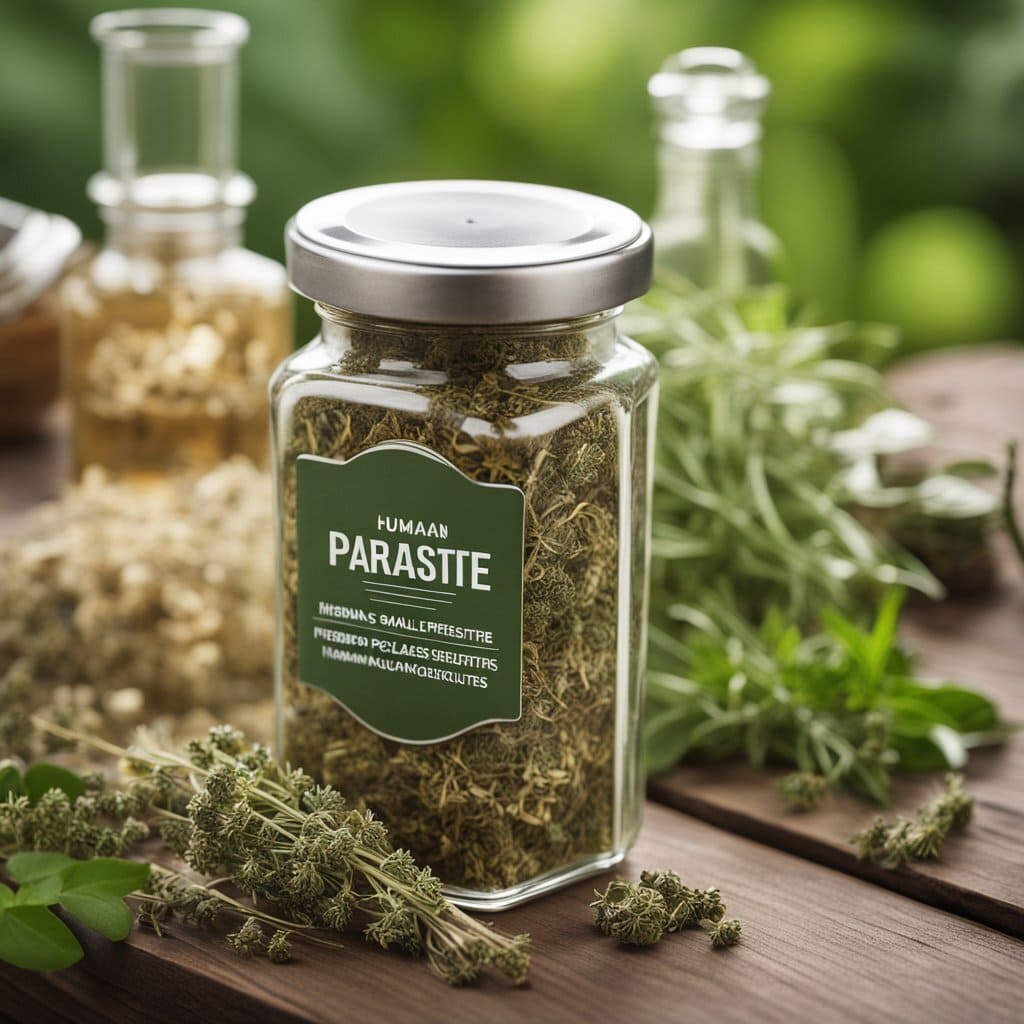
Herbal cleanses use plant-based compounds with documented antiparasitic activity. Key herbs used in parasite cleanses include:
- Wormwood (Artemisia absinthium): Contains thujone and sesquiterpene lactones that disrupt parasite neurological function
- Black walnut hull: Contains juglone and tannins with activity against intestinal worms
- Clove: Eugenol in clove is believed to be effective against parasite eggs and larvae
- Oregano oil: Carvacrol and thymol have demonstrated activity against protozoan parasites
- Berberine: Found in goldenseal, barberry, and other plants; clinically studied against Giardia
- Garlic: Allicin has broad antimicrobial and antiparasitic activity
Dietary Parasite Cleanses
Diet-based cleanses use food choices to create an inhospitable environment for parasites while supporting immune function. Key elements include eliminating sugar and processed carbohydrates, increasing antiparasitic foods (garlic, pumpkin seeds, papaya seeds, coconut oil), and supporting gut flora with probiotic and prebiotic foods. A dietary cleanse alone is usually not sufficient for an established infection but is an essential component of any cleanse protocol.
Prescription Antiparasitic Medications
For confirmed infections, particularly those involving identified parasites or those beyond the intestinal tract, pharmaceutical treatment is often necessary:
- Metronidazole (Flagyl): Used for Giardia, amoebic infections, and some other protozoa
- Mebendazole or albendazole: Broad-spectrum drugs used for intestinal worms (roundworms, hookworms, whipworms, pinworms)
- Praziquantel: Used specifically for tapeworm and fluke infections
- Nitazoxanide: Active against both protozoa and helminths; can be used for Cryptosporidium
How Parasite Cleanses Work in the Body
A complete parasite cleanse works through several overlapping mechanisms:
- Direct antiparasitic action: Herbal or pharmaceutical compounds directly kill, paralyze, or disrupt the reproductive capacity of adult parasites.
- Life cycle disruption: Many parasites have complex life cycles involving eggs, larvae, and adult stages. Effective cleanses need to address multiple stages, which is why protocols often run for several weeks.
- Environmental modification: Dietary changes (particularly sugar elimination) reduce the nutrient supply available to parasites.
- Expulsion support: Adequate fiber, hydration, and sometimes gentle laxative support helps physically move dead or immobilized parasites out of the body.
- Immune activation: Some cleansing compounds stimulate immune cells that help identify and eliminate parasites.
What to Expect: Timeline and Die-Off Symptoms
Typical Timeline
- Days 1-3: Beginning of the protocol. Some people notice changes in digestion almost immediately.
- Days 3-7: Die-off symptoms may peak during this window as the first wave of parasites is killed and releases toxins.
- Days 7-14: Many people begin to feel improvements -- reduced bloating, better energy, clearer skin.
- Days 14-21: A second cycle may be needed to catch newly hatched larvae from eggs that survived the first phase.
- Days 21-30: Consolidation phase and transition to gut restoration. Probiotic and gut healing support begins or intensifies.
Die-Off (Herxheimer) Reactions
When large numbers of parasites die rapidly, they release endotoxins, cellular debris, and metabolic byproducts. Temporary symptoms can include:
- Headaches (very common)
- Fatigue and lethargy
- Flu-like symptoms: chills, body aches, mild fever
- Temporary worsening of digestive symptoms
- Skin breakouts or rashes
- Brain fog and mood changes
- Joint or muscle aches
Die-off reactions are generally a sign the cleanse is working. Staying well-hydrated, getting adequate rest, and supporting liver detoxification (with dandelion root, milk thistle, beets, or lemon water) can significantly reduce die-off severity.
How to Support Your Body During a Parasite Cleanse
- Hydration: Drink at least 2-3 liters of clean, filtered water daily to support kidney filtration of die-off toxins.
- Eliminate sugar completely: This is non-negotiable during an active cleanse. Sugar feeds the very organisms you are trying to eliminate.
- Eat antiparasitic foods: Prioritize raw garlic, pumpkin seeds, papaya, coconut oil, and fiber-rich vegetables.
- Support liver function: The liver handles the bulk of die-off detoxification. Support it with dandelion root tea, milk thistle, artichoke, and lemon water.
- Rest adequately: Prioritize 7-9 hours per night during the cleanse.
- Gentle movement: Light exercise, walking, and yoga support lymphatic drainage and circulation.
- Begin probiotics toward the end: Wait until the active antiparasitic phase is largely complete before introducing probiotics.
The period after an active cleanse is critically important and often overlooked. Without proper post-cleanse care, many of the benefits can be lost and re-infestation can occur quickly. Prioritize gut microbiome restoration with a quality, multi-strain probiotic and gut lining repair with L-glutamine, zinc carnosine, and collagen.
What to Do After a Parasite Cleanse: Rebuilding and Protecting
Your post-cleanse priorities should include:
- Gut microbiome restoration: A quality, multi-strain probiotic taken for at least 4-8 weeks post-cleanse helps repopulate beneficial bacteria.
- Gut lining repair: L-glutamine (5-10g per day), zinc carnosine, aloe vera, and collagen peptides all help repair intestinal permeability.
- Prebiotic feeding: Nourish the rebuilding microbiome with onions, garlic, leeks, asparagus, green bananas, and oats.
- Continue antiparasitic diet principles: Maintaining low sugar intake and including antiparasitic foods regularly helps prevent rapid re-infestation.
- Address re-infestation risks: Deworming pets, upgrading water filtration, or improving food safety practices prevents re-infection.
- Retest: If you started with a confirmed infection, retest 4-8 weeks post-treatment to confirm clearance.
For a comprehensive, day-by-day guide that covers all phases of parasite cleansing -- from preparation through active treatment to post-cleanse restoration -- explore our 30-Day Parasite Detox Plan.